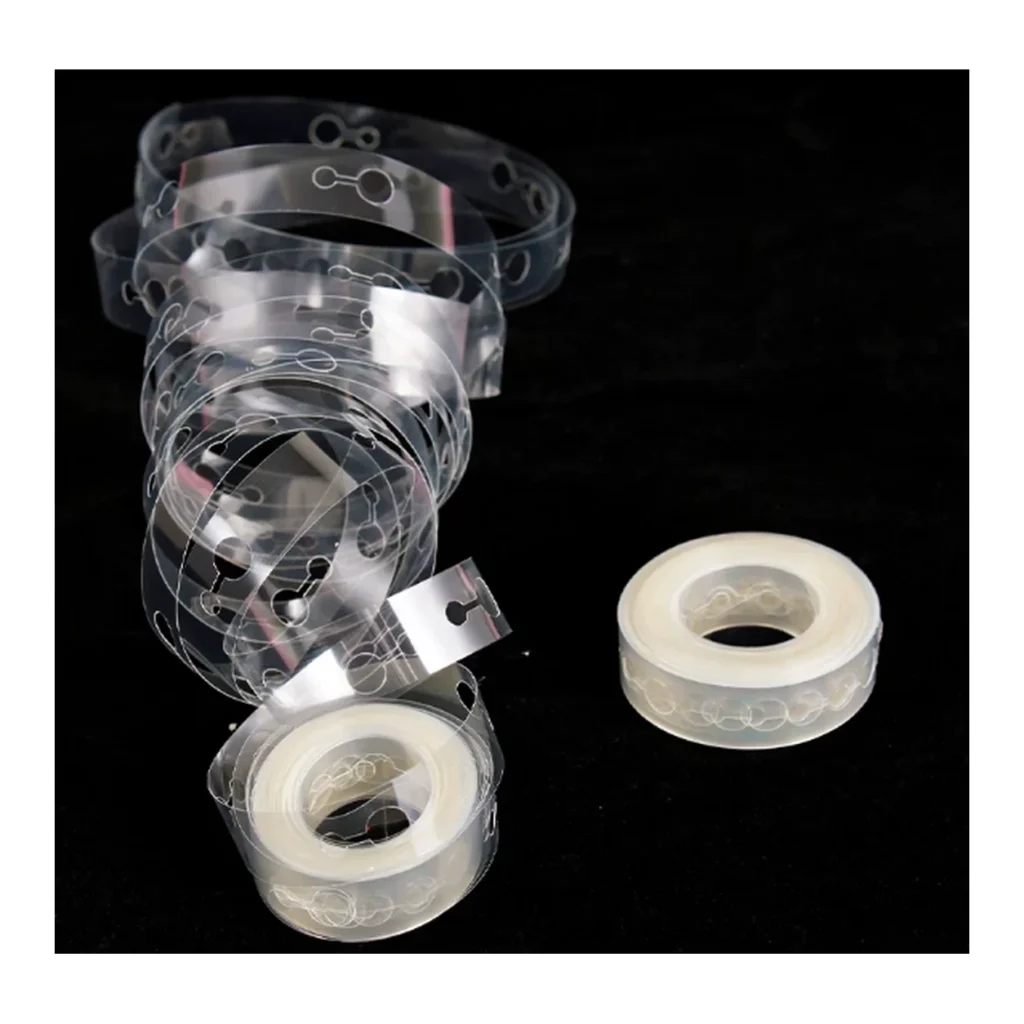
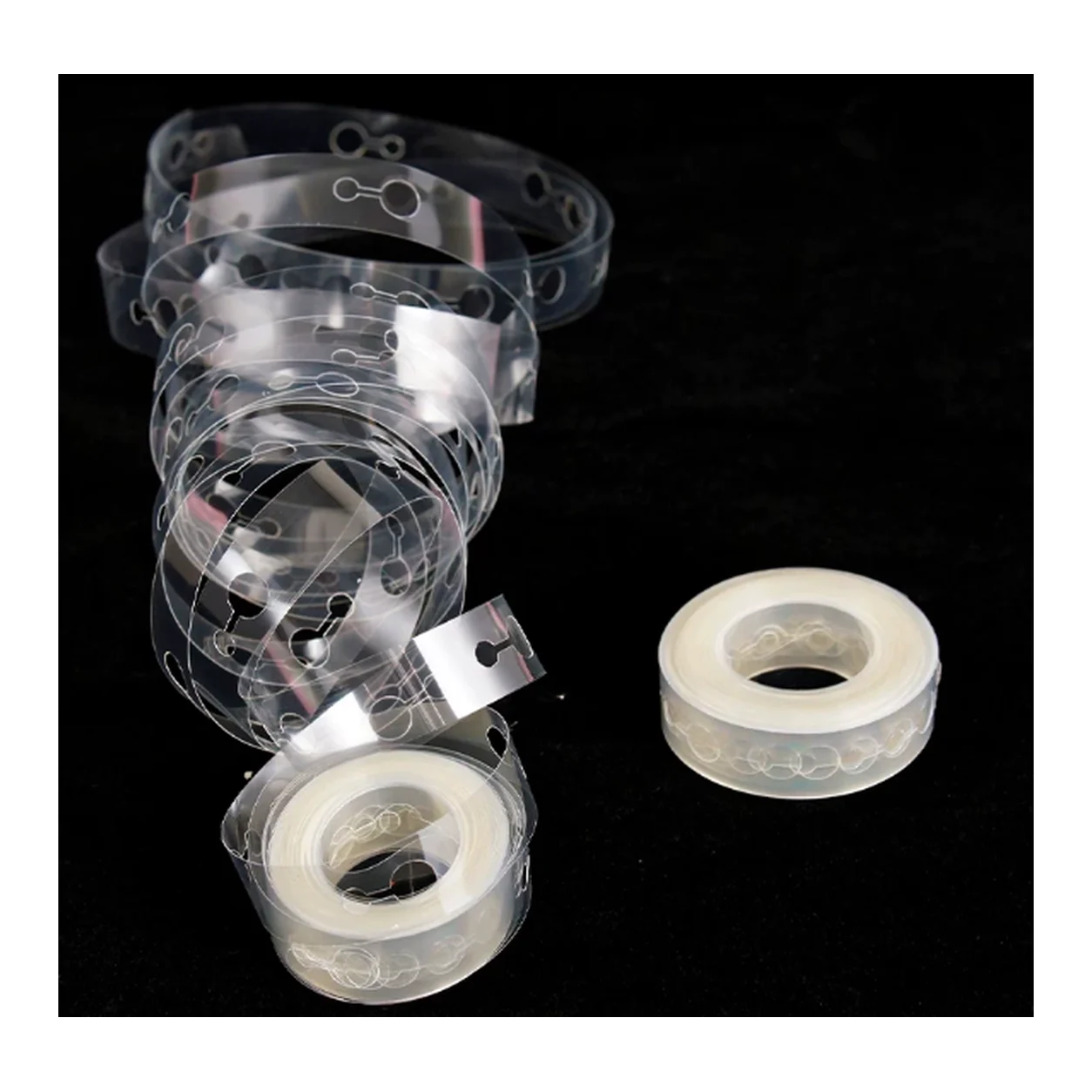
Accessories turn balloons into a usable retail or decoration system. Pumps, ribbons, sticks, strips, glue dots, tying tools, stands and boxes should be specified by function and compatibility, not grouped under one generic price.
Accessory MOQ is confirmed by quotation. Buyers should identify whether each item is sold separately, included in a kit or packed under a private label, because the same component may require different packaging and testing.
Group accessories by function
Separate inflation equipment, holding and display items, fastening products, decorating tools and packaging components. This makes it easier to compare like-for-like quotations.
State the balloon types and sizes each accessory must support. A cup, stick, strip or stand should be checked with the intended balloon rather than approved only from dimensions.
- Inflation
- Holding and display
- Fastening
- Packaging
Confirm compatibility and materials
Provide dimensions, material, color, connection method and load expectations. For pumps, confirm power, plug and destination requirements where relevant.
Request samples for fit checks. Test sticks with cups, balloons with strips, glue dots on intended surfaces and stands with the planned display size.
- Dimensions
- Material and color
- Connection method
- Fit test
Choose retail or kit packaging
Decide whether components are bulk packed, individually labeled or included in balloon kits. State pieces per bag, label language, barcode and instructions.
For mixed accessory sets, use a bill of materials and inspection count. The pack description must match every included part.
- Bulk or retail pack
- Pieces per bag
- Label and barcode
- Kit component count
Inspect before shipment
Check dimensions, color, operation, assembly and package quantity against the approved sample. Functional checks matter more than appearance alone.
Verify inner-carton and export-carton assortments so small components remain organized and countable when received.
- Functional test
- Quantity check
- Label check
- Carton assortment
Prepare a supplier brief
Summarize the chosen product, size or component specification, colors or designs, quantity by SKU, selling-unit packaging and destination in one document. Attach reference images only as supporting material and identify any feature that is still optional. A structured brief reduces assumptions and makes quotations from different suppliers easier to compare.
Ask the supplier to return the confirmed specification with the quotation and to list exclusions, substitutions and buyer-supplied artwork. Before production, align the approved sample, label, barcode, inner carton and export carton with the same SKU record. This creates a practical reference for production, inspection and repeat orders.
- Product and specification
- Quantity by SKU
- Packaging and destination
- Approved quotation record
Buyer checklist
- Inflation
- Holding and display
- Fastening
- Packaging
- Dimensions
- Material and color
- Connection method
- Fit test
- Bulk or retail pack
- Pieces per bag
- Label and barcode
- Kit component count
- Functional test
- Quantity check
- Label check
- Carton assortment
- Product and specification
- Quantity by SKU
- Packaging and destination
- Approved quotation record
Buyer FAQ
What information is needed for a quotation?
Provide the product type, specifications, quantity, packaging and destination.
Can products be mixed?
Mixed orders can be discussed, while production requirements remain subject to each SKU.
How should quality be confirmed?
Use an approved specification and check product, packaging and carton records before shipment.
Related wholesale buying resources
Continue with specifications, packaging and importer guidance related to this product or category.