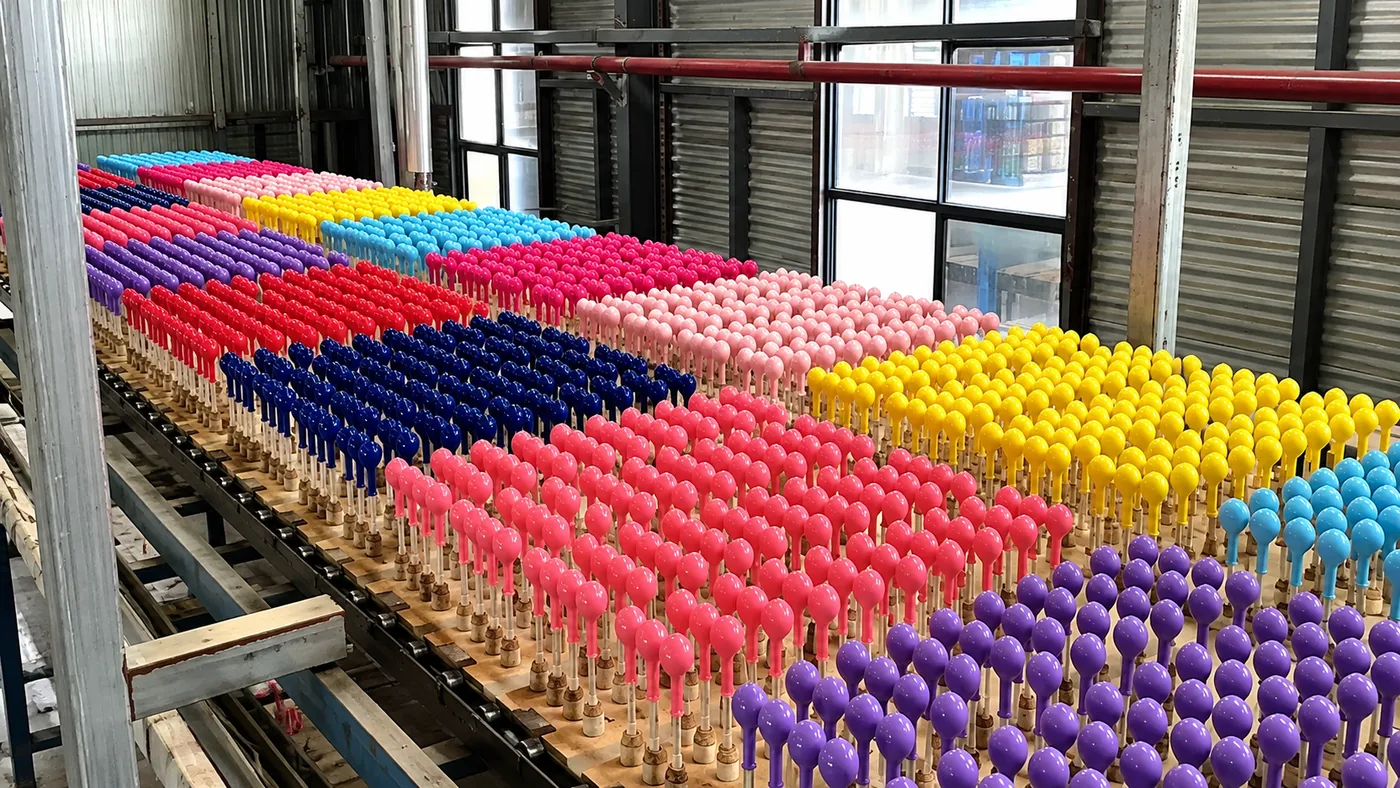
Balloon inspection should start with an approved specification, not a general statement that quality must be good. Latex, foil, bubble balloons, kits and accessories fail in different ways and need product-specific checks.
This checklist helps importers prepare inspections with a supplier or independent inspection company. The purchase order, approved sample, artwork, packaging record and carton plan should all identify the same SKU.
Create the inspection reference set
Prepare the final product specification, approved sample or color reference, artwork version, label file, packing list and purchase order. Record acceptable dimensions and quantities.
Do not ask an inspector to decide design intent at the factory. Ambiguous colors, finishes and packaging claims should be resolved before production.
- Product specification
- Approved sample
- Artwork and label
- Packing list
Inspect product-specific features
For latex balloons, check size, color, finish, neck and inflation behavior. For foil and bubble balloons, check film, printing, seams, valves and inflation. Kits and accessories require component and function checks.
Define how samples are selected across colors, designs and cartons. A sample taken from only one top carton cannot represent a mixed shipment.
- Dimensions and appearance
- Seams and valves
- Inflation behavior
- Component function
Check printing and retail packaging
Compare artwork position, color count, orientation and readability with the approved file. Inspect labels, barcodes, warnings, pack quantities and included instructions.
Scan representative barcodes and verify the product inside matches the label. Small packaging errors can make otherwise usable products unsellable.
- Print position
- Label and barcode
- Pack quantity
- Product-to-label match
Verify cartons and document results
Count selling units per inner and export carton, confirm carton marks and compare assortments with the packing list. Record dimensions and weights after final packing.
Report defects by SKU with photos and quantities, then define correction, reinspection or acceptance before shipment. Keep the report with the final approved records for future orders.
- Carton quantity
- Shipping marks
- Defect report
- Correction and reinspection
Prepare a supplier brief
Summarize the chosen product, size or component specification, colors or designs, quantity by SKU, selling-unit packaging and destination in one document. Attach reference images only as supporting material and identify any feature that is still optional. A structured brief reduces assumptions and makes quotations from different suppliers easier to compare.
Ask the supplier to return the confirmed specification with the quotation and to list exclusions, substitutions and buyer-supplied artwork. Before production, align the approved sample, label, barcode, inner carton and export carton with the same SKU record. This creates a practical reference for production, inspection and repeat orders.
- Product and specification
- Quantity by SKU
- Packaging and destination
- Approved quotation record
Buyer checklist
- Product specification
- Approved sample
- Artwork and label
- Packing list
- Dimensions and appearance
- Seams and valves
- Inflation behavior
- Component function
- Print position
- Label and barcode
- Pack quantity
- Product-to-label match
- Carton quantity
- Shipping marks
- Defect report
- Correction and reinspection
- Product and specification
- Quantity by SKU
- Packaging and destination
- Approved quotation record
Buyer FAQ
What information is needed for a quotation?
Provide the product type, specifications, quantity, packaging and destination.
Can products be mixed?
Mixed orders can be discussed, while production requirements remain subject to each SKU.
How should quality be confirmed?
Use an approved specification and check product, packaging and carton records before shipment.
Related wholesale buying resources
Continue with specifications, packaging and importer guidance related to this product or category.