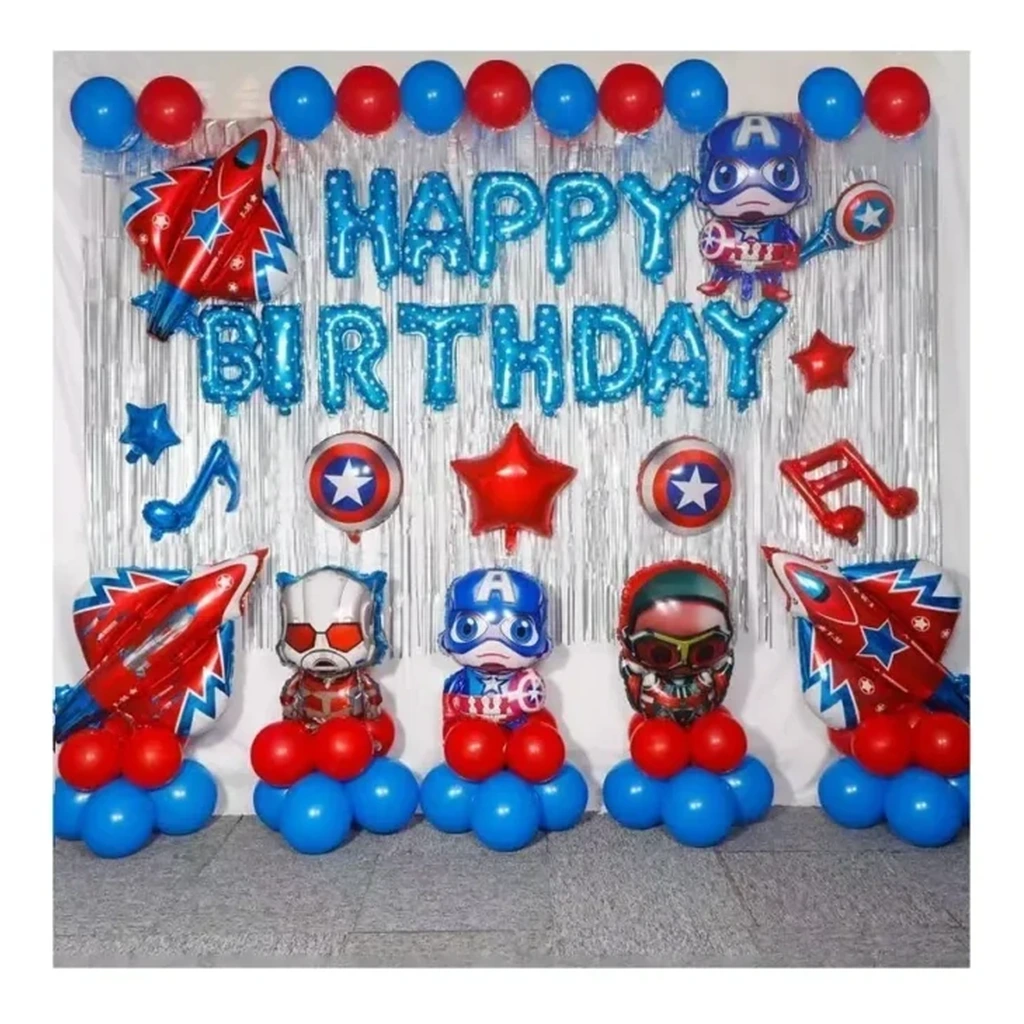
A balloon garland kit is a multi-component retail product. The balloons, decorating strip, glue dots, instructions and optional accessories must work together and match the quantity printed on the package.
Importers should treat every colorway as a controlled bill of materials. Kit MOQ is confirmed by quotation because the final requirement depends on components, colors, packaging and customization.
Define the complete bill of materials
List every balloon size, color and quantity, then identify strips, glue dots, ribbon, hooks, pumps or printed instructions. Do not use a reference photo as the only specification. A written bill of materials lets suppliers quote the same kit and prevents missing accessories.
Separate essential components from optional upgrades. If a hand pump, backdrop or stand is not included, the retail description should not imply that it is. State the total balloon count and the count by size.
- Bill of materials
- Size and color ratio
- Retail packaging
- Complete-kit inspection
Control colorways and size ratios
A successful kit uses a planned ratio of large, medium and small balloons. Provide the color percentage or exact count for every shade, especially for pastel, metallic and custom palettes.
Approve colors after inflation because latex appearance changes with stretch and lighting. For multiple colorways, assign a separate SKU, artwork and packing record to each version.
- Bill of materials
- Size and color ratio
- Retail packaging
- Complete-kit inspection
Design retail and export packaging
Confirm the selling unit, bag or box dimensions, label language, barcode and warning text. Instructions should match the actual components and show the correct assembly sequence.
Define kits per inner carton, cartons per shipment and mixed-carton rules. Weigh and measure the final approved pack before confirming export-carton efficiency.
- Bill of materials
- Size and color ratio
- Retail packaging
- Complete-kit inspection
Quote and inspect the complete kit
Request prices using the same bill of materials, packaging and destination. Ask the supplier to identify assumptions and substitutions before approval.
Inspection should count each component, compare colors and sizes, test accessory fit, scan labels and verify carton assortments. A kit is only complete when every included part is usable.
- Bill of materials
- Size and color ratio
- Retail packaging
- Complete-kit inspection
Prepare a supplier brief
Summarize the chosen product, size or component specification, colors or designs, quantity by SKU, selling-unit packaging and destination in one document. Attach reference images only as supporting material and identify any feature that is still optional. A structured brief reduces assumptions and makes quotations from different suppliers easier to compare.
Ask the supplier to return the confirmed specification with the quotation and to list exclusions, substitutions and buyer-supplied artwork. Before production, align the approved sample, label, barcode, inner carton and export carton with the same SKU record. This creates a practical reference for production, inspection and repeat orders.
- Product and specification
- Quantity by SKU
- Packaging and destination
- Approved quotation record
Buyer checklist
- Bill of materials
- Size and color ratio
- Retail packaging
- Complete-kit inspection
- Product and specification
- Quantity by SKU
- Packaging and destination
- Approved quotation record
Buyer FAQ
What determines the MOQ?
MOQ is confirmed by quotation because components, colors, packaging and customization change the production plan.
Can several designs be ordered together?
Mixed orders can be discussed, but each SKU still needs a confirmed component list and quantity.
What should be checked before shipment?
Check product specifications, component counts, labels, packaging and carton assortments against the approved record.
Related wholesale buying resources
Continue with specifications, packaging and importer guidance related to this product or category.