A private-label balloon project is more than adding a logo to a bag. The product specification, brand artwork, pack quantity, label language, barcode and carton plan must all describe the same SKU.
This guide helps importers and distributors build a controlled private-label range across latex, foil, printed balloons, party kits and accessories.
Define the product range
Start with a limited set of commercially distinct SKUs. For each product, record material, size, finish, color or design, pack quantity and intended buyer.
Avoid launching too many nearly identical colors or designs before demand is known. A focused assortment makes MOQ, artwork and inventory easier to manage.
- Product category
- Size and finish
- Color or design
- Pack quantity and target buyer
Apply category-specific MOQ
Standard latex balloons start from 5,000 pieces per color or design. Foil balloons start from 1,000 pieces per design, while custom printed balloons start from 10,000 pieces per design. Kits, bubble balloons and accessories are confirmed by quotation.
Build the SKU plan around these production references before investing in packaging artwork.
- MOQ by product
- Number of SKUs
- Quantity per pack
- Total purchase quantity
Create a packaging information hierarchy
The front of the pack should identify the product clearly. Secondary panels can carry quantity, size, material, warnings, barcode, origin and importer information according to the target market.
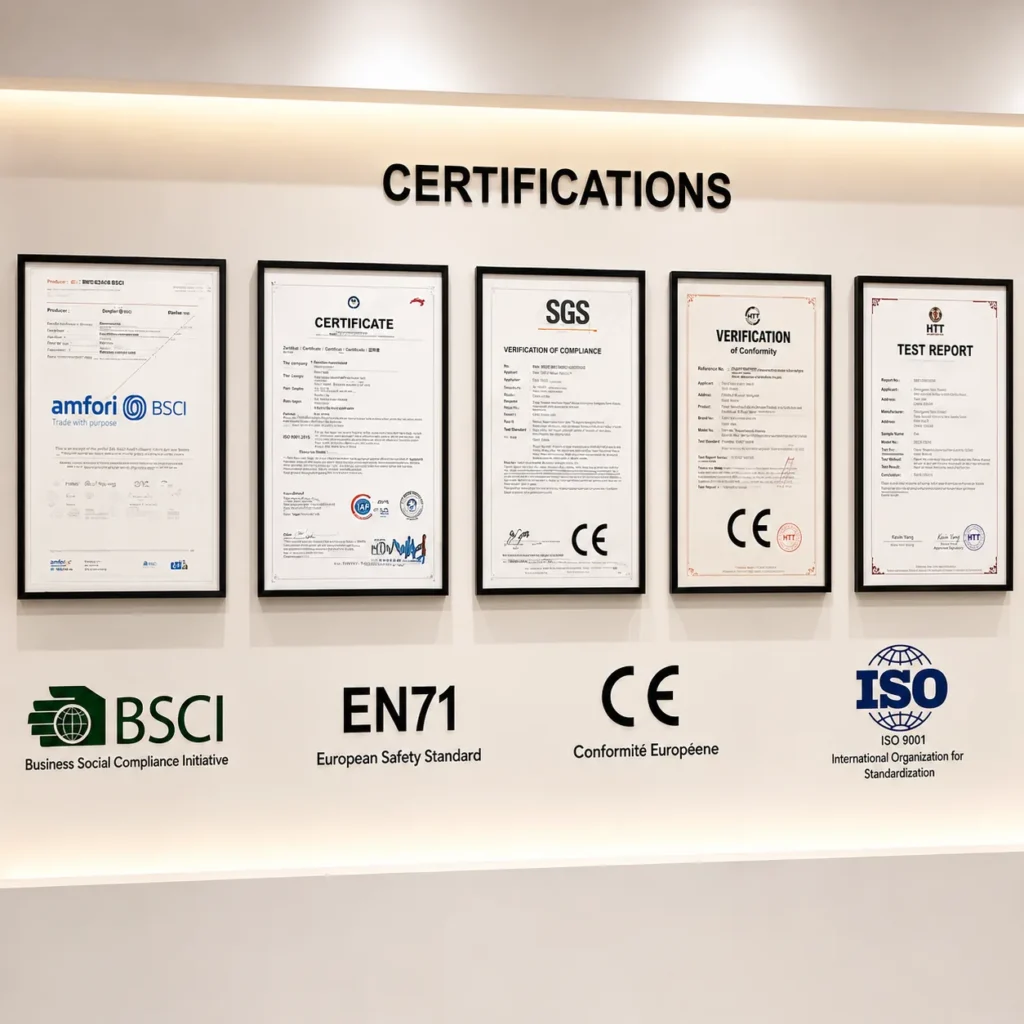
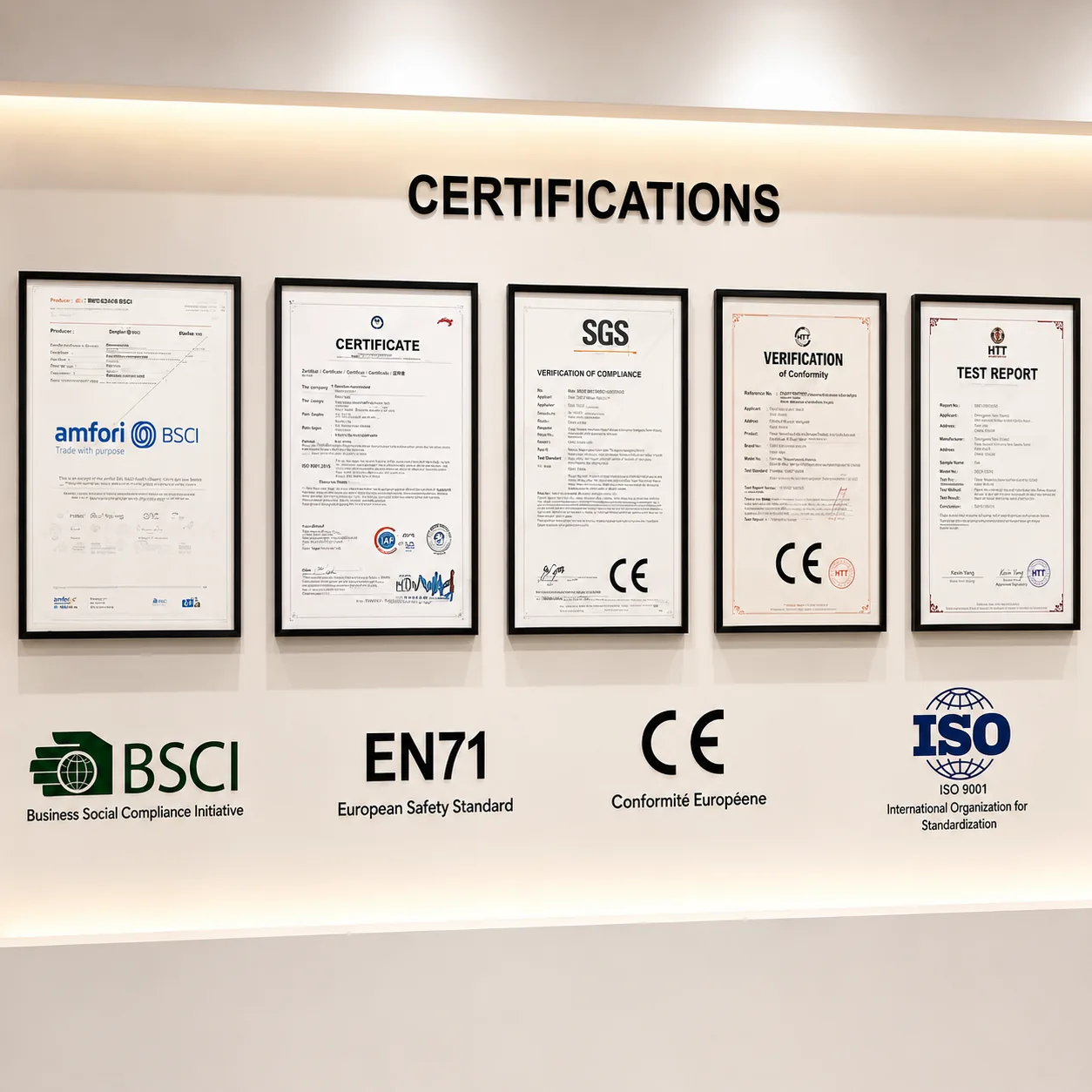
Keep marketing claims factual and supported. Do not add certifications, biodegradability statements or performance claims without documentation.
- Brand and product name
- Quantity and size
- Warnings and barcode
- Origin and importer details
Control artwork versions
Use a file-naming and approval system so the balloon artwork, label, bag and carton versions remain aligned. Record the approval date and responsible person.
When one product changes, check whether related labels, barcodes, cartons and online listings also need updates.
- Artwork version
- Approval date
- SKU and barcode
- Related carton artwork
Plan inspection and repeat orders
Keep an approved specification for product checks and repeat purchases. Inspection points should match the defined product, quantity, artwork and packaging rather than rely on a generic statement.
After the first shipment, record customer feedback and packaging performance before expanding the range.
- Approved specification
- Packaging reference
- Inspection points
- Repeat-order changes
Buyer checklist
- Product category
- Size and finish
- Color or design
- Pack quantity and target buyer
- MOQ by product
- Number of SKUs
- Quantity per pack
- Total purchase quantity
- Brand and product name
- Quantity and size
- Warnings and barcode
- Origin and importer details
- Artwork version
- Approval date
- SKU and barcode
- Related carton artwork
- Approved specification
- Packaging reference
- Inspection points
- Repeat-order changes
Buyer FAQ
What is a private-label balloon order?
It is a balloon product sold under the buyer’s brand with an approved product specification, label or retail pack and carton requirements.
Can different balloon categories use one MOQ?
No. MOQ differs by category: standard latex, foil and printed balloons use different confirmed references, while kits and accessories are quoted separately.
Who provides barcode and market-specific label text?
The buyer should provide accurate barcode, importer and destination-market information. The supplier can review production placement and feasibility.
Related wholesale buying resources
Continue with specifications, packaging and importer guidance related to this product or category.